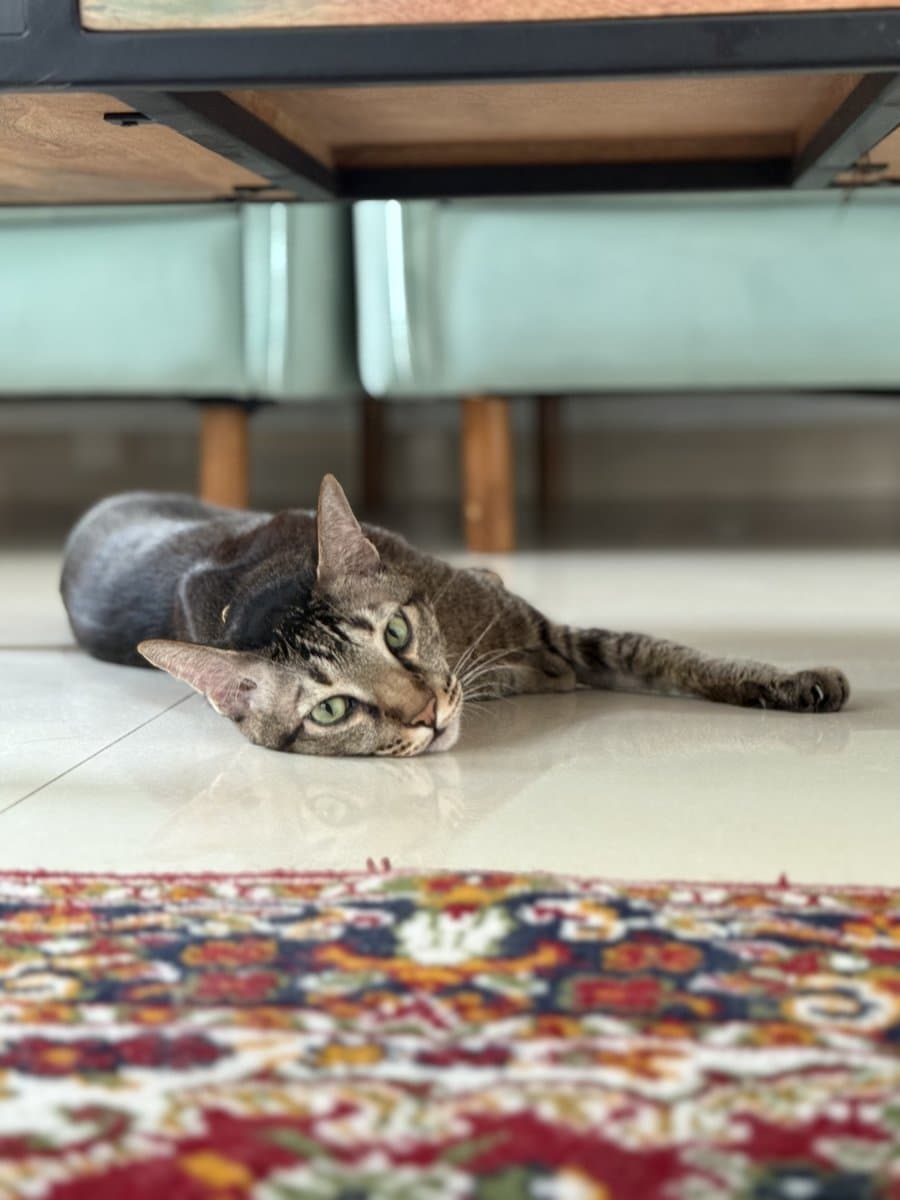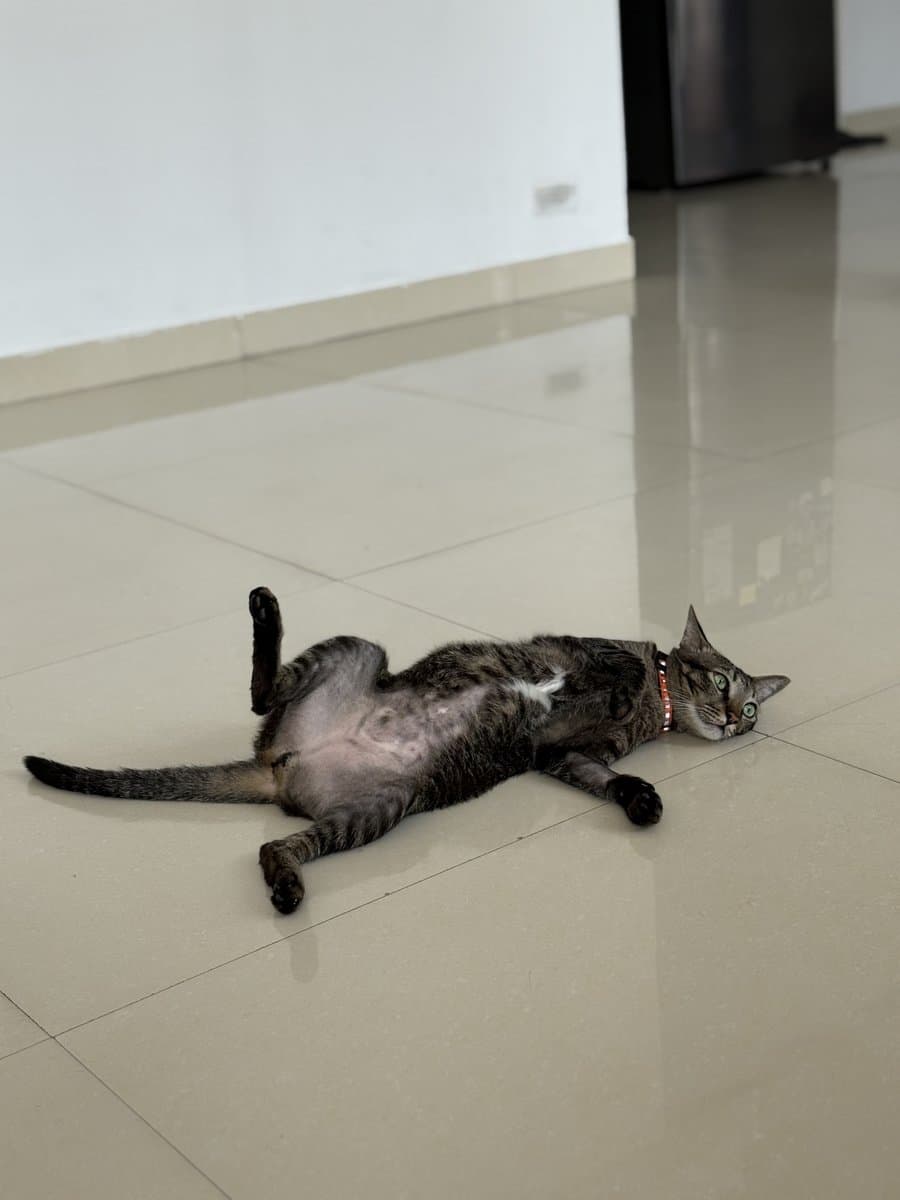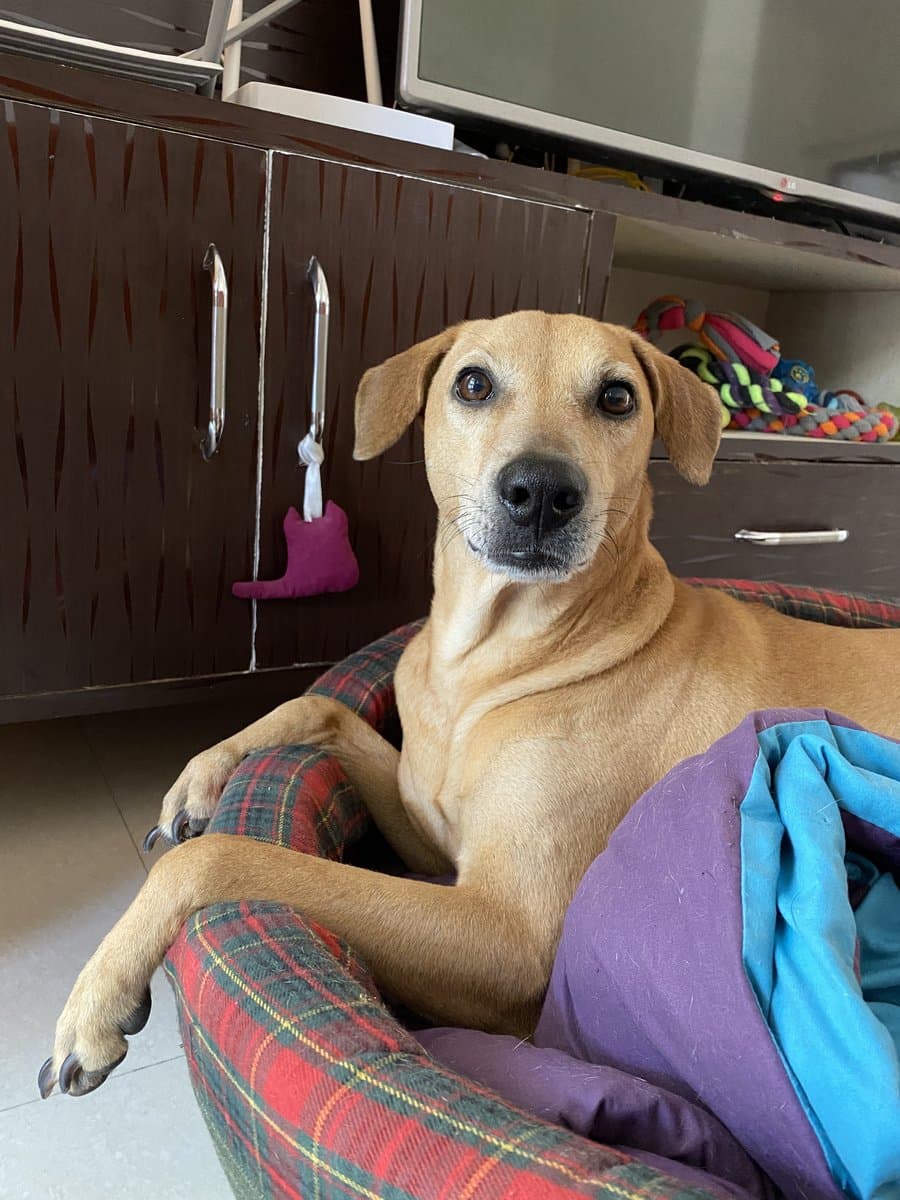
You've just finished cooking, the sabzi smells incredible, and your dog is sitting at your feet giving you the eyes. You give them a small piece. They're happy. You're happy. Everything seems fine.
But here's the thing: that sabzi almost certainly had onion in it. And onion, in any form, is one of the most dangerous things your dog can eat.
This isn't a guide designed to make you feel guilty for ever sharing food with your pet. It's here to help you understand which ingredients are genuinely dangerous, which are fine occasionally, and which ones you need to clear off the table the moment your pet comes sniffing around. Because in an Indian kitchen, the gap between "delicious home cooking" and "toxic to your pet" is often a single ingredient.
Why This Matters More Than You Think
Many Indian pet owners feed their dogs and cats table scraps without a second thought. This is understandable. It feels caring. And a lot of the time, the pet seems perfectly fine.
The problem is that some toxins don't announce themselves quickly.
The "He Ate It and Was Fine" Problem
Onion and garlic toxicity takes 2 to 5 days to show symptoms. [1] Your dog can eat dal tadka on Monday and seem completely normal all week, while the damage to their red blood cells is quietly building. By the time they're visibly unwell, you have no idea what caused it because the meal that triggered it was days ago.
This delayed reaction is exactly why so many Indian pet owners believe table scraps are safe. The connection between cause and symptom is invisible. And once your vet is investigating unexplained anaemia in your dog, the dal tadka from last Tuesday is not the first thing you'll think of.
A pet that "seems fine" after eating something does not mean it was safe. For several of the most common Indian kitchen toxins, symptoms appear days after exposure - long after you've forgotten what they ate.
The Most Dangerous Foods in Your Indian Kitchen
These aren't foods to limit. These are foods to keep completely away from your pet, in every form, every time.
Onion and Garlic: The Biggest Risk in Every Indian Home
This is the one. If there's only one thing you take from this article, let it be this: onions and garlic are toxic to both dogs and cats, in every single form. Raw, cooked, dried, powdered, or hidden inside a dish. [1]
The toxic compound is called n-propyl disulfide, which damages red blood cells and causes hemolytic anaemia. The body starts destroying its own blood cells. In severe cases, this is fatal.
| Form | Toxic? | Notes |
|---|---|---|
| Raw onion | TOXIC | All quantities |
| Cooked onion | TOXIC | Cooking does not neutralise the toxin |
| Onion powder | MOST DANGEROUS | More concentrated than fresh |
| Raw garlic | TOXIC | 5× more toxic than onion by weight |
| Cooked garlic | TOXIC | All forms, all quantities |
| Garlic powder | MOST DANGEROUS | 1 tsp = approx. 8 fresh cloves |
The numbers matter here. Garlic is roughly five times more toxic than onion by weight. [1] Dried or powdered forms are significantly more concentrated because the water has been removed. One teaspoon of garlic powder contains the equivalent of about eight fresh garlic cloves. [1] That small pinch you added to the biryani? It matters.
Cats are more sensitive than dogs. Toxicosis has been reported in cats after ingesting less than a teaspoon of cooked onion. [1]
The problem for Indian households is that onion and garlic are in almost everything. Dal tadka. Sabzi. Biryani. Samosas. Chutneys. Pakoras. If it's been cooked with standard Indian masala, it almost certainly contains both.
Pale or yellowish gums, weakness, lethargy, reduced appetite, reddish-brown urine, laboured breathing. Call your vet immediately if you notice any of these - do not wait.
Grapes and Raisins (Kishmish)
Raisins are in more Indian dishes than most people realise. Biryani, sheer khurma, halwa, kheer, dry fruit mithai. And raisins, along with fresh grapes, cause acute kidney failure in dogs. [6]
What makes this particularly alarming is that vets still don't know exactly how much is dangerous. There is no established "safe" dose. Small amounts have been fatal in some dogs; others have eaten more with milder reactions. The only safe approach is zero exposure. [6]
Symptoms typically start with vomiting and diarrhoea within 6 to 12 hours. Without treatment, kidney failure can follow within 24 to 72 hours.
For cats, kidney damage from grapes and raisins has been reported but is less common than in dogs. The risk still exists.
Chai, Coffee, and Caffeine
India runs on chai. Dogs and cats absolutely cannot have any of it.
Caffeine is toxic to pets. A standard cup of masala chai contains roughly 40mg of caffeine. [7] Dogs and cats metabolise caffeine far more slowly than humans, which means it builds up to dangerous levels quickly. Tea bags, coffee grounds, and strong brewed tea are especially risky because of their higher concentration.
Symptoms include restlessness, rapid heart rate, tremors, vomiting, and in severe cases, seizures. [7]
If your pet laps up a small spill of chai, they will likely be fine. A whole cup, or access to tea bags or coffee grounds, is a vet visit. When in doubt, call your vet.
Chocolate
Chocolate contains theobromine, which dogs and cats cannot metabolise effectively. [5] Humans process it quickly and move on. In pets, it accumulates to toxic levels and severely impacts the heart and nervous system.
Dark chocolate and cooking chocolate are the most dangerous. Milk chocolate less so, but still a risk. As Indian households adopt more Western-style baking and chocolate-heavy desserts, this is becoming a more common concern.
Xylitol: The Hidden One
Xylitol is an artificial sweetener found in sugar-free products, certain chewing gums, and increasingly in "healthy" baked goods. [4] In dogs, it triggers a massive, rapid release of insulin that causes life-threatening hypoglycemia within 10 to 60 minutes of ingestion.
It's less common in traditional Indian kitchens but worth knowing about as sugar-free products become more popular in urban households. Always check the ingredient list of any "diet" or "sugar-free" product before leaving it where your pet can reach it.
Raw or Fermented Dough
If you make roti or bread dough at home, keep it completely away from your pet. Raw yeast dough rises inside a pet's warm stomach, releasing carbon dioxide and alcohol as by-products. The expanding gas can cause the stomach to bloat and potentially twist, which is a surgical emergency. [5]
The alcohol produced by the fermenting yeast is absorbed into the bloodstream and causes poisoning on top of the bloat risk.
Excess Salt and Salty Snacks
Indian cooking uses a lot of salt. Papads, pickles, namkeen, chakli, bhujia, and most fried street snacks are extremely salty. In pets, salt toxicity begins at around 2 to 3 grams per kilogram of body weight. [8]
A medium-sized dog eating a handful of namkeen can hit dangerous sodium levels. A small cat eating even less. Symptoms include excessive thirst, vomiting, diarrhoea, tremors, and in severe cases, seizures.
Indian Sweets and Festive Foods: What to Watch Out For
Festivals are a particularly high-risk time for pets. Sweets are everywhere, guests don't always know the rules, and the chaos means nobody's watching closely.
Mithai in general is not suitable for pets. Not because any single ingredient is acutely toxic (though raisins in dry fruit barfi absolutely are), but because Indian sweets are densely packed with sugar and dairy. The immediate risk is vomiting and diarrhoea. Longer-term, regular exposure causes pancreatitis, obesity, and diabetes.
| Festival | Foods to Watch | Specific Risk |
|---|---|---|
| Diwali | Kaju katli, ladoo, barfi, dry fruit mithai | Check all mithai for raisins; crackers and smoke cause severe anxiety in pets |
| Eid | Sheer khurma, biryani | Sheer khurma contains raisins; biryani almost always contains onion and garlic |
| Holi | Bhang (cannabis-based preparation) | EMERGENCY - sedation, loss of coordination, vomiting, coma risk |
| Navratri / Vrat | Sendha namak dishes, sabudana | Sabudana (tapioca) is safe; sendha namak dishes should not be shared due to high salt content |
Well-meaning guests who aren't aware of your pet's diet are one of the biggest risks at festivals. A small sign near the mithai box, or a quick heads-up to family members, can prevent a trip to the emergency vet.
The Quick-Reference Table: Safe, Risky, Toxic
Screenshot this and save it on your phone. It covers the most common questions Indian pet owners ask.
| Food | Dogs | Cats | Notes |
|---|---|---|---|
| Plain cooked rice | Safe | Safe | Good for upset stomachs |
| Plain cooked dal (no tadka, no salt) | Occasionally | Occasionally | Moong/masoor only |
| Plain roti (no ghee, no salt) | Occasionally | Occasionally | No nutritional value; not a meal |
| Boiled chicken or egg | Safe | Safe | No spices or salt |
| Onion (raw, cooked, powder, any form) | TOXIC | TOXIC | In any quantity |
| Garlic (raw, cooked, powder, any form) | TOXIC | TOXIC | 5× more toxic than onion |
| Grapes and raisins (kishmish) | TOXIC | Avoid | Kidney failure risk in dogs |
| Chocolate | TOXIC | TOXIC | Dark chocolate most dangerous |
| Chai, coffee, tea | TOXIC | TOXIC | Caffeine toxicity |
| Mithai and Indian sweets | Risky | Risky | High sugar and dairy; raisins = toxic |
| Namkeen, papads, pickles | Risky | Risky | Excess salt |
| Ghee (tiny amount only) | Occasionally | Occasionally | Not as a regular addition |
| Fresh coconut (plain, unsweetened) | Safe in moderation | Safe in moderation | No added sugar |
| Turmeric (pinch only) | Occasionally | Avoid | Anti-inflammatory for dogs; can affect liver function in cats |
| Spicy food and chili | Risky | Risky | GI irritation, not acutely toxic |
| Raw or fermented dough | TOXIC | TOXIC | Yeast bloat and alcohol risk |
| Xylitol (any sugar-free product) | TOXIC | TOXIC | Insulin crash, life-threatening |
| Bhang | TOXIC | TOXIC | Festive emergency |
Note down exactly what it was, approximately how much, and the time. Having that information ready saves critical minutes when you call your vet. Subscribe to our newsletter for a free printable version of this table to keep on your fridge.
What About Common Safe Indian Foods?
It's not all bad news. Several Indian kitchen staples are genuinely fine for pets, as long as they're prepared simply, without salt, oil, or masala.
Plain boiled rice is easy to digest and often recommended by vets for dogs with upset stomachs.
Plain cooked moong or masoor dal (no tadka, no salt, well-cooked) can be offered occasionally. Chana dal and rajma tend to cause gas in dogs, so stick to lighter lentils.
Boiled or steamed vegetables like carrots, green beans, peas, and pumpkin are excellent low-calorie snacks for dogs. Steam or boil without any seasoning.
Curd (plain, unsweetened) in small amounts is tolerated by many dogs, since fermentation reduces lactose content. Less suitable for cats.
Fresh coconut in small amounts is safe and has some nutritional benefits.
If it was cooked with your regular Indian masala, it is not safe for your pet. If you want to share, make a plain, unseasoned portion separately before you add the tadka, salt, or spices. Your pet loves you either way.
A Special Warning for Cat Owners
Cats deserve separate attention because their physiology makes several foods more dangerous for them than for dogs.
Cats lack certain liver enzymes that dogs have, making them unable to process many compounds that dogs handle in small amounts. [3]
Onion and garlic are more dangerous for cats than dogs. Less than a teaspoon of cooked onion has triggered toxicosis in cats. [1]
Turmeric is sometimes cited as beneficial for dogs. For cats, it can interfere with liver function and should be avoided entirely.
Raw fish fed regularly depletes thiamine (Vitamin B1) in cats, causing neurological symptoms over time. Occasional cooked fish is fine. Raw fish as a regular meal is not.
Dog food is formulated without sufficient taurine, which cats cannot synthesise themselves. Long-term feeding of dog food to a cat causes heart disease and blindness. [3] Always use a complete, species-specific cat food as your cat's primary diet.
If Your Pet Eats Something Toxic: What to Do Right Now
Stay calm. Then move quickly.
Step 1: Identify exactly what was eaten. How much, and approximately when. This information is critical for your vet.
Step 2: Call your vet immediately. Do not wait to see if symptoms develop. For onion, garlic, raisins, and xylitol in particular, the window for effective intervention is narrow. [10]
Step 3: Do not induce vomiting at home without vet instruction. Inducing vomiting incorrectly can cause additional harm, or make treatment harder. Some toxins should not be vomited at all. Your vet will tell you whether and how. [10]
Step 4: Watch for emergency symptoms. Go straight to a clinic without waiting if you see collapse, seizures, pale gums, extreme lethargy, laboured breathing, or loss of coordination.
Keep your vet's number saved in your phone. Also note the nearest 24-hour emergency vet clinic in your city - emergencies don't wait for morning. Subscribe to our newsletter for more pet safety guides like this one.
📖 Related Guides
Frequently Asked Questions
References & Sources
- Merck Veterinary Manual. Garlic and Onion (Allium spp) Toxicosis in Animals. https://www.merckvetmanual.com/toxicology/food-hazards/garlic-and-onion-allium-spp-toxicosis-in-animals
- ASPCA. People Foods to Avoid Feeding Your Pets. https://www.aspca.org/pet-care/aspca-poison-control/people-foods-avoid-feeding-your-pets
- NIH / PubMed Central. Some food toxic for pets. https://pmc.ncbi.nlm.nih.gov/articles/PMC2984110/
- U.S. Food and Drug Administration (FDA). Potentially Dangerous Items for Your Pet. https://www.fda.gov/animal-veterinary/animal-health-literacy/potentially-dangerous-items-your-pet
- Merck Veterinary Manual. Food Hazards. https://www.merckvetmanual.com/special-pet-topics/poisoning/food-hazards
- VCA Animal Hospitals. Grape, Raisin, and Currant Poisoning in Dogs. https://vcahospitals.com/know-your-pet/grape-raisin-and-currant-poisoning-in-dogs
- VCA Animal Hospitals. Caffeine Toxicity in Pets. https://vcahospitals.com/know-your-pet/caffeine-toxicity-in-pets
- Pet Poison Helpline. Salt Is Toxic to Pets. https://www.petpoisonhelpline.com/poison/salt/
- VCA Animal Hospitals. Onion, Garlic, Chive, and Leek Toxicity in Dogs. https://vcahospitals.com/know-your-pet/onion-garlic-chive-and-leek-toxicity-in-dogs
- VCA Animal Hospitals. What to Do if Your Pet Eats Something Toxic. https://vcahospitals.com/resources/lifestyle-dog/hazards-safety/what-to-do-if-your-pet-eats-something-toxic
About the authors
Pet Health Writers
Our editorial team researches, collates, and publishes evidence-based pet health content tailored to the unique needs of Indian pet parents.